Dumpster Bag vs. Roll-Off Dumpster: Which Is Right for Your Project?
When you are planning a cleanout or small renovation, you have two main options for handling the debris: a dumpster bag or a roll-off dumpster. Both get the job done, but they work in distinct ways and suit separate kinds of projects. Picking the right one comes down to how much debris you have, what kind of debris it is and how much space you have to work with.
Here is a straightforward comparison to help you decide.
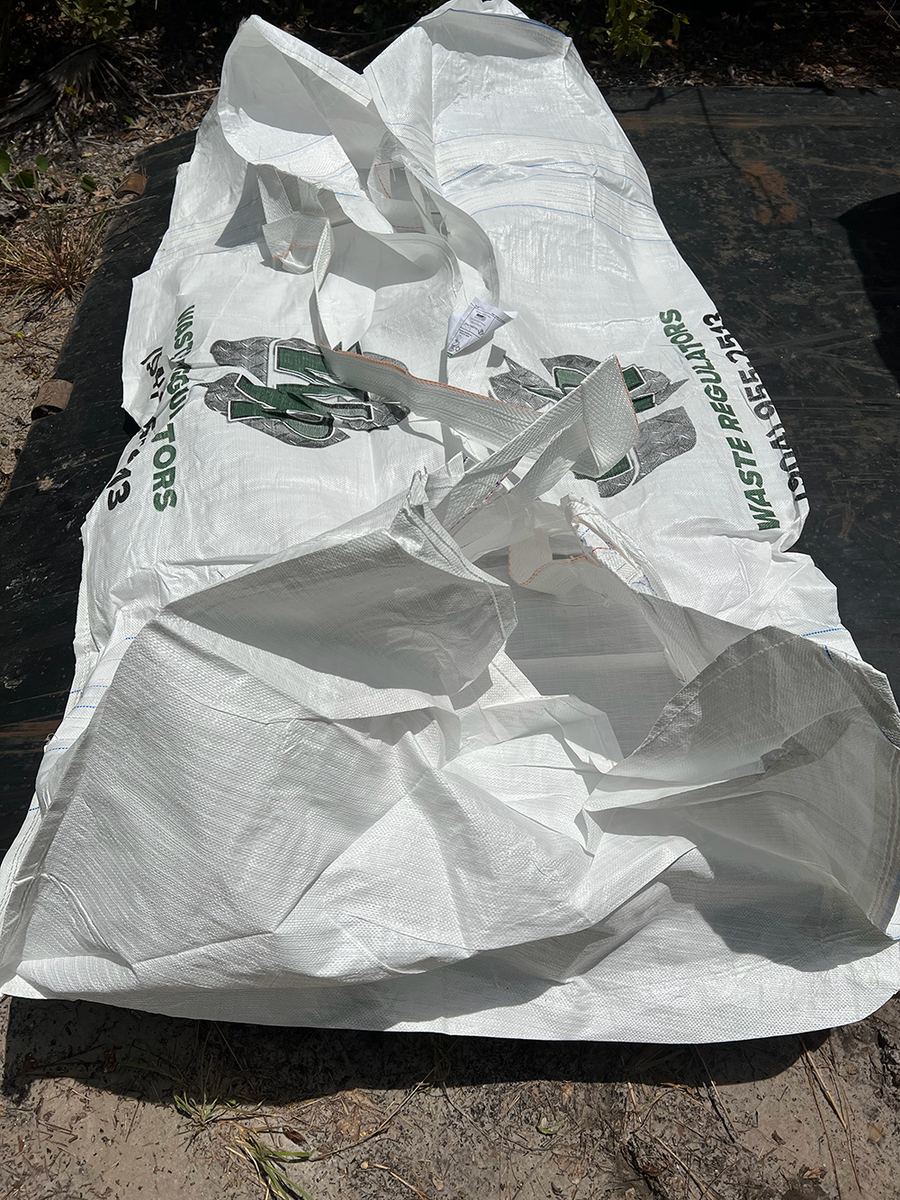
What Is a Dumpster Bag?
A dumpster bag is a heavy-duty fabric container that sits on your driveway or yard. It has a small footprint, so it fits places a steel dumpster cannot, like narrow driveways, townhome lots and tight side yards.
The biggest advantage is flexibility. You fill it at your own pace, whether that takes an afternoon or a few weekends, and then schedule pickup when you are ready. There is no trailer to park and no large truck staged in front of your house while you work.
Learn more about how they work on our dumpster bag service page.
What Is a Roll-Off Dumpster?
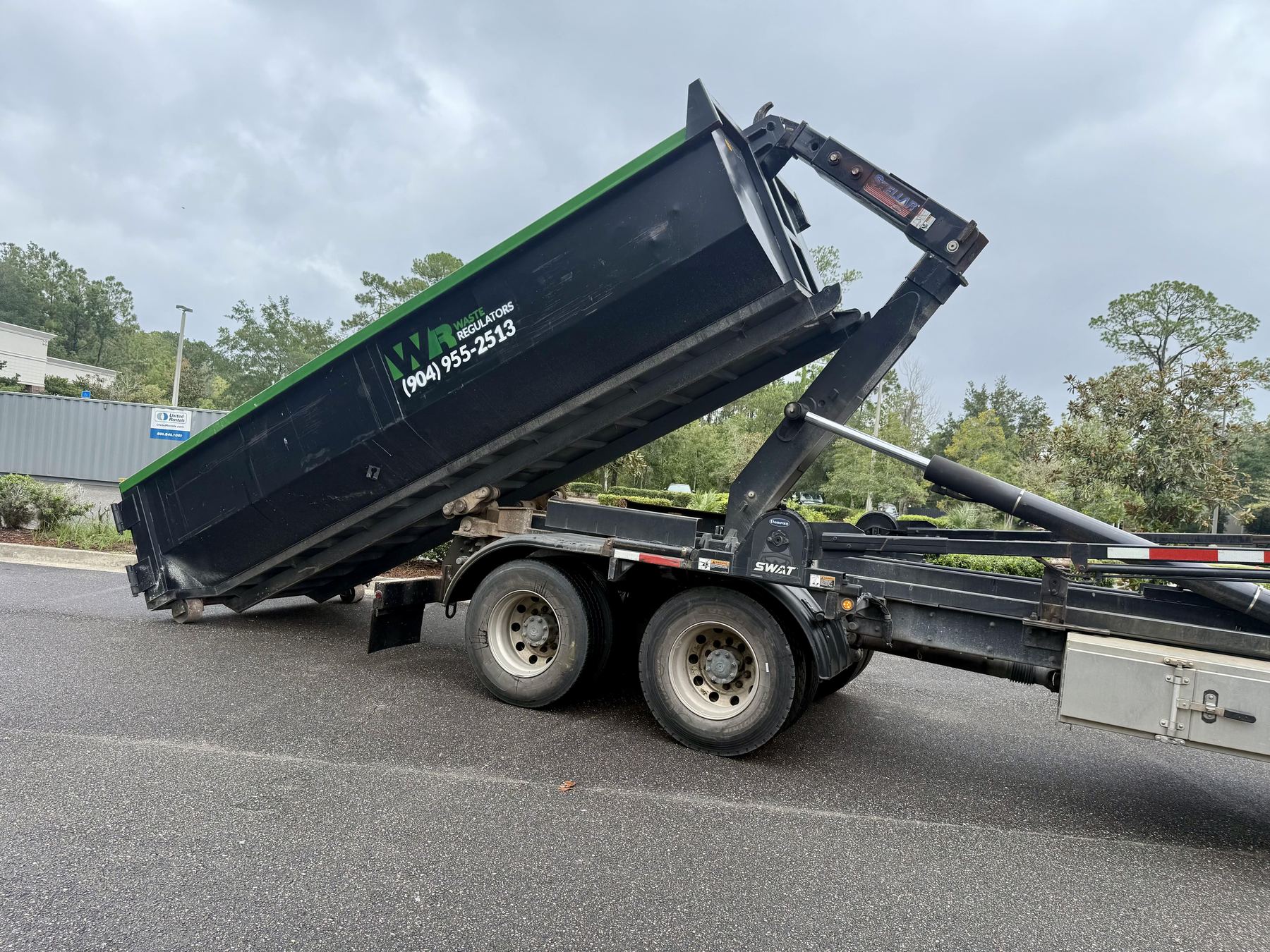
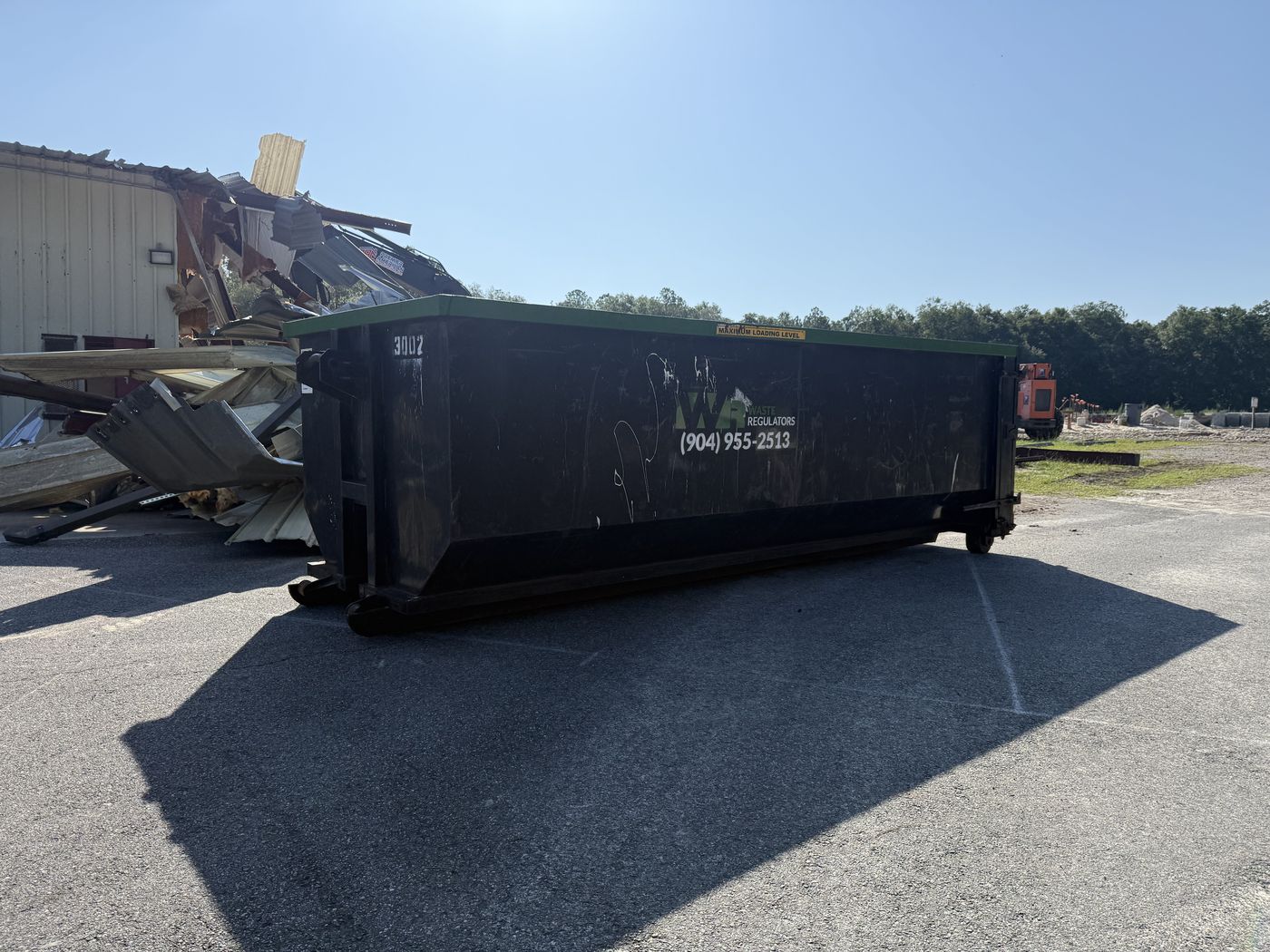
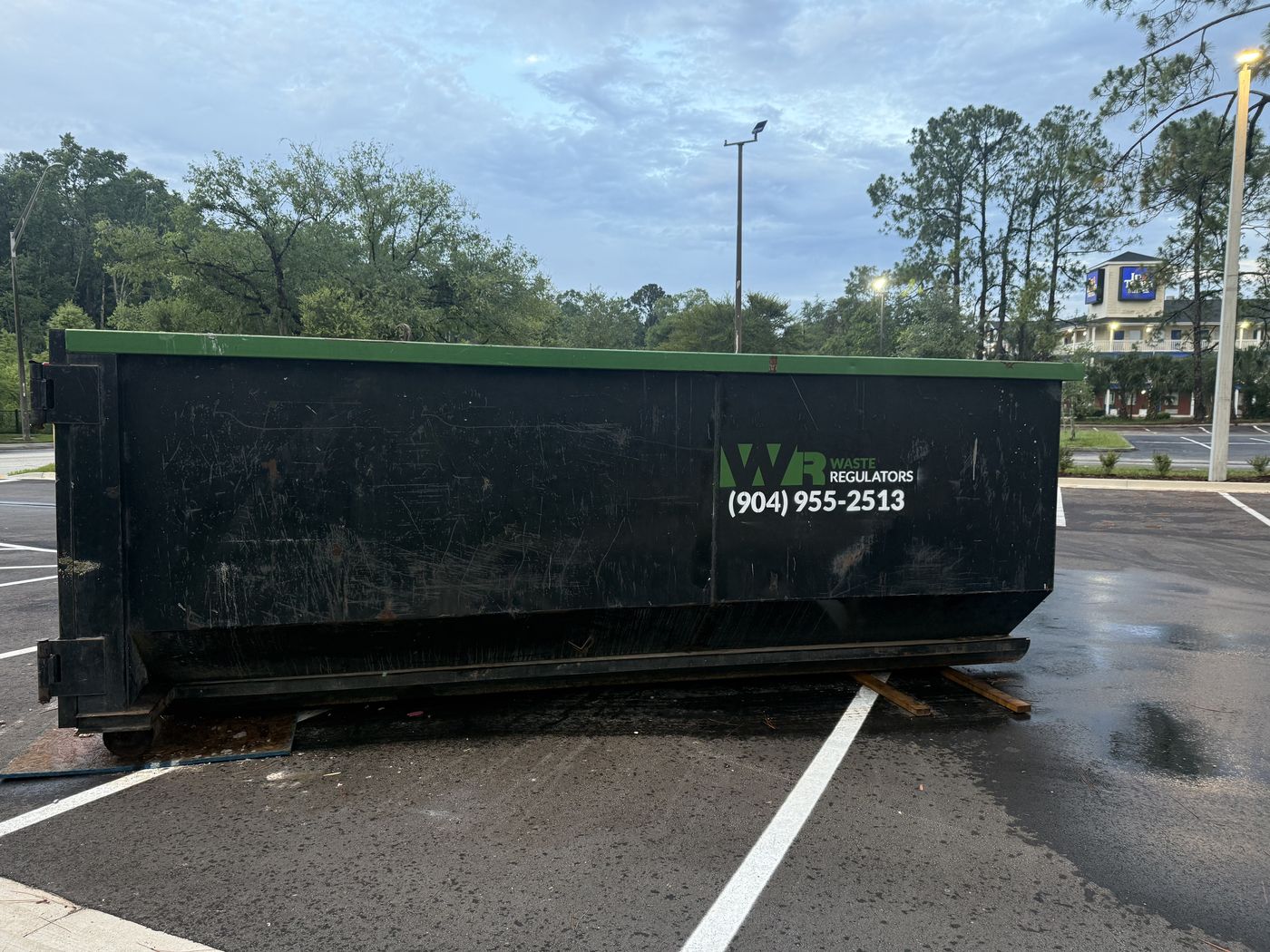
A roll-off dumpster is a steel container delivered by truck and set down on your property. We offer them in 10, 15, 20, 30 and 40-yard sizes, so there is a container for nearly any project, from a garage cleanout to a full home renovation.
Roll-offs handle bigger volumes and heavier materials. They are the standard choice for remodels, roofing, demolition and large cleanouts. You can see each size compared on our dumpster size guide.
Side-by-Side Comparison
Footprint and Placement
- Dumpster bag: Small footprint. Fits tight driveways and spaces with limited access.
- Roll-off: Larger footprint. Needs enough driveway length and overhead clearance for the truck to set it down.
Capacity
- Dumpster bag: Best for small cleanouts and light debris.
- Roll-off: Ranges from small projects to major demolition and commercial work.
Materials
- Dumpster bag: Good for household clutter, light construction debris and yard waste. Concrete and dirt or sod are not allowed in bags.
- Roll-off: Accepts construction debris, tree debris, metal and garbage. Concrete and dirt or sod are accepted in 15 or 20-yard roll-offs.
Pace
- Dumpster bag: Fill at your own pace, then schedule pickup.
- Roll-off: Delivered and picked up on a schedule you set when you book, with flexibility if your project runs long.
When a Dumpster Bag Makes More Sense
A dumpster bag is usually the better choice when:
- You are clearing out a closet, spare room or small section of the garage.
- Your driveway is short, narrow or shared, which is common in townhome communities and older neighborhoods around Jacksonville.
- Your debris is light, such as boxes, old décor, small furniture or bagged yard waste.
- You want to work on weekends and are not sure how long it will take to fill.
- Your HOA prefers a smaller, less visible container.
When a Roll-Off Dumpster Makes More Sense
A roll-off is the better choice when:
- You are remodeling a kitchen or bathroom, replacing flooring or tearing off a roof.
- You have heavy materials like concrete, tile, brick or dirt.
- You are clearing out a whole house, such as for an estate cleanout or a move.
- A contractor crew will be loading debris quickly over several days.
- Your project will produce more debris than a single bag can hold.
For most homeowners, a 10-yard roll-off is the next step up from a bag. It handles garage and attic cleanouts, small bathroom remodels and yard cleanup. A 15-yard covers kitchen or bath remodels, mid-size cleanouts and deck or flooring removal. Visit our residential dumpster page for more on each size.
Common Mistakes to Avoid
Putting Heavy Debris in a Bag
The most common mistake is loading concrete, pavers, dirt or sod into a dumpster bag. These materials are too heavy for a bag and are not allowed. If your project involves any of them, a 15 or 20-yard roll-off is the right container.
Underestimating Volume
Cleanouts almost always produce more debris than people expect. Once you start pulling things out of closets and corners, the pile grows fast. If you are on the fence, a small roll-off gives you a safety margin.
Ignoring Access
A roll-off needs a clear path for delivery. Low branches, power lines, gates and parked cars can all get in the way. Walk the space before you book, and check that soft, sandy ground will not be a problem for heavier loads.
Forgetting the Rules
Whichever option you choose, the same restrictions apply. No hazardous waste, chemicals, paints, liquids, tires, batteries or pressurized containers.
Using Both on One Project
Some projects do not fit neatly into one category. A homeowner might start with a dumpster bag for a slow attic cleanout, then realize a bathroom remodel is coming next spring and book a roll-off for that phase. Contractors sometimes use a bag for punch-list debris on a finished home after the main roll-off has been picked up.
There is no rule that you have to choose one option for the life of a project. Match the container to the stage of the work, and call us when the scope changes.
A Quick Decision Guide
- Is any of your debris concrete, dirt or sod? Choose a 15 or 20-yard roll-off.
- Is your space too tight for a truck to set a container? Choose a dumpster bag.
- Is it a small, light cleanout you want to tackle slowly? Choose a dumpster bag.
- Is it a remodel, roof or whole-house project? Choose a roll-off and size it to the job.
Not Sure Which One You Need?
Waste Regulators is a locally owned company serving Duval, St. Johns, Clay, Putnam and Nassau counties. Tell us about your project and space, and we will recommend the right fit. Pricing and weight allowances are confirmed with your quote. Request a quote or call (904) 955-2513.