What Can't Go in a Dumpster? A Florida Guide
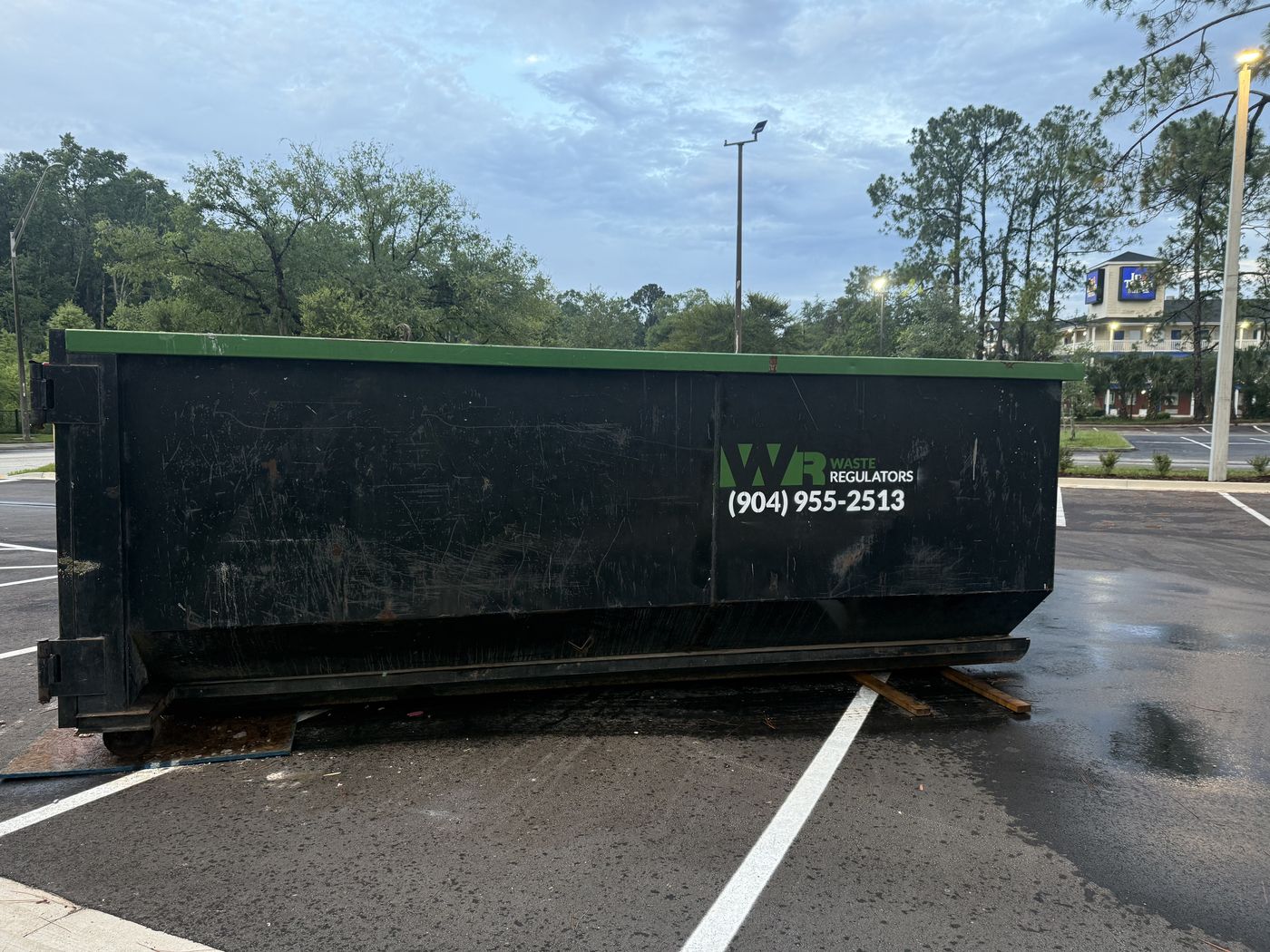
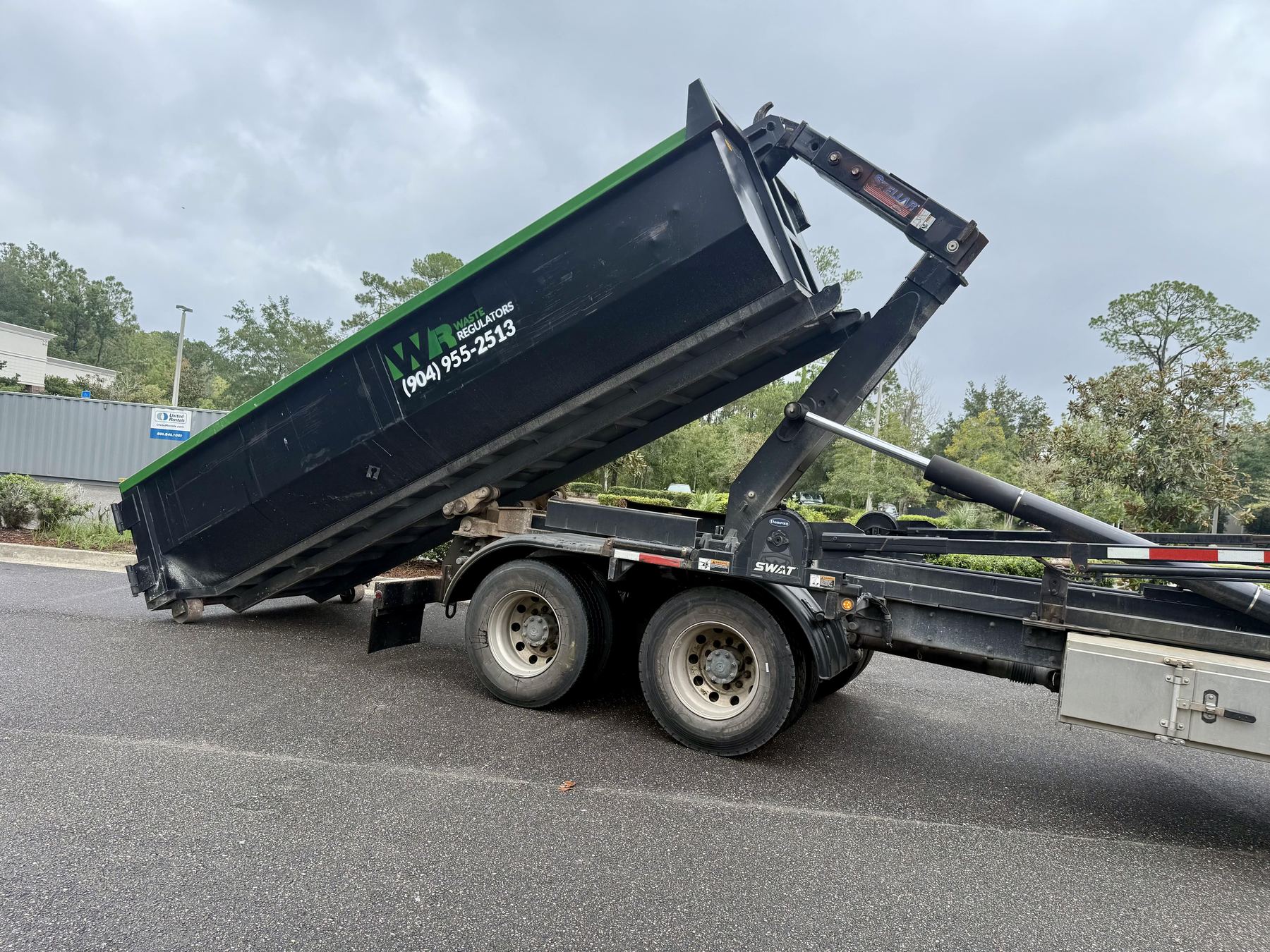
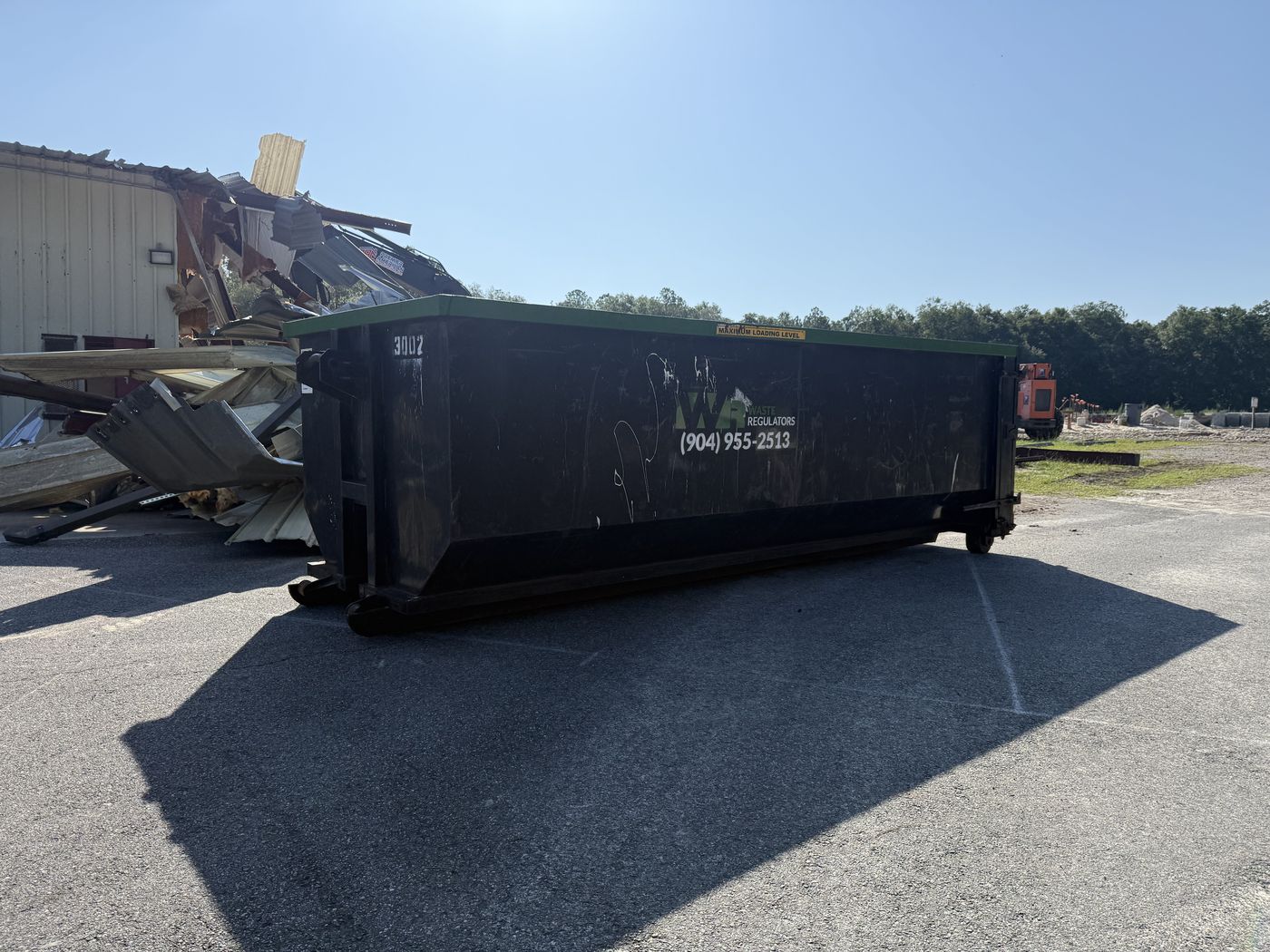
A dumpster makes a big project much easier, but not everything in your garage or job site belongs in it. Some items are dangerous to handle, some are not accepted at the landfill, and some can only go in with prior approval. Knowing the rules before you start loading saves you from a surprise at pickup and keeps everyone safe.
Here is a practical guide to what can and cannot go in a dumpster in Northeast Florida, along with tips for the items that tend to cause questions.
What You Can Put in a Dumpster
Most of what comes out of a typical remodel, cleanout or yard project is accepted. That includes:
- Construction and demolition debris: drywall, lumber, cabinets, flooring, tile, shingles, siding and trim
- Tree debris: branches, limbs, palm fronds, shrubs and brush
- Dirt or sod
- Concrete
- Metal: old fencing, pipe, framing and scrap
- General household garbage and clutter: old furniture, boxes, toys, décor and everyday trash
A Note on Heavy Materials
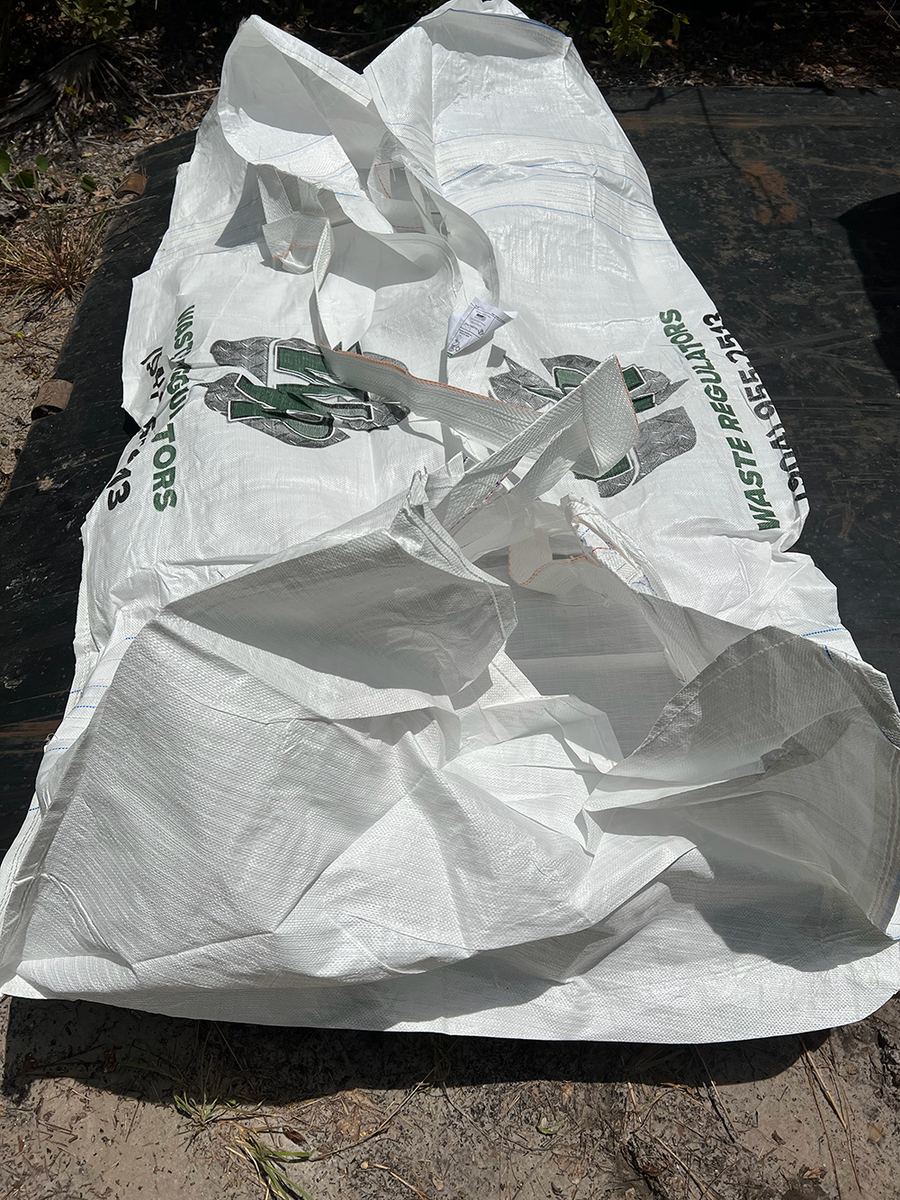
Concrete and dirt or sod are very heavy. They are accepted only in 15 or 20-yard roll-off dumpsters and never in dumpster bags. If you are breaking up a patio, pulling out an old walkway or regrading part of your yard, let us know when you book so we can send the right container. Weight allowances are confirmed with your quote.
What Cannot Go in a Dumpster
The following items are not allowed in any of our dumpsters or dumpster bags:
- Hazardous waste of any kind
- Chemicals, paints, solvents, oils or other liquids
- Tires
- Batteries
- Asbestos
- Medical waste
- Flammable or explosive materials
- Gas cylinders or pressurized containers
- Appliances with refrigerants, unless approved in advance
These rules exist for good reasons. Liquids and chemicals can leak and contaminate soil and groundwater, which matters a lot in Florida, where the water table sits close to the surface. Pressurized and flammable items can ignite or burst when compacted. Asbestos and medical waste require specialized handling that a standard dumpster cannot provide.
Common Florida Items That Cause Problems
Some prohibited items show up again and again in Northeast Florida homes. Watch for these when you are clearing out a garage, shed or lanai.
Pool and Spa Chemicals
Chlorine tablets, shock, acid and other pool supplies are common in local garages. They are chemicals and should never go in a dumpster, even if the container looks nearly empty.
Hurricane Supplies
Gas cans, generator fuel, propane tanks for grills and camp stoves, and leftover oil for small engines all count as flammable materials or pressurized containers. Keep them out of the dumpster.
Boat, Golf Cart and Car Batteries
With so many boats and golf carts in our area, old batteries are a frequent find in garages. Batteries are not allowed. Many auto parts stores and recycling centers accept them.
Old Air Conditioning Units and Refrigerators
Window AC units, dehumidifiers, refrigerators and freezers contain refrigerants. They cannot go in unless approved in advance, so ask before you load one.
Paint Cans
Leftover paint, stain and sealer are liquids and are not accepted. Check with your county about how they handle household paint disposal.
Lawn and Garden Chemicals
Pesticides, herbicides and fertilizers belong with household hazardous waste, not in a dumpster.
Items to Ask About First
Some items may be accepted but carry a landfill surcharge. Mattresses, appliances and tires fall into this group. Tires are on our not-allowed list for a standard load, so if you have any, ask first and we will tell you what is possible.
The rule is simple: when in doubt, call before you toss. A two-minute conversation is far easier than pulling something back out of a loaded container.
Where to Take Prohibited Items
Most counties in our area offer household hazardous waste drop-off options or collection events for residents. Because programs, locations and schedules vary and can change, check your county's solid waste or public works website for the latest information. A few general tips:
- Keep chemicals in their original containers with labels intact.
- Never mix chemicals together.
- Look for retailer take-back programs for batteries, electronics and some paints.
- Store items securely until you can drop them off, out of reach of kids and pets.
Tips for Loading Your Dumpster the Right Way
Following the rules is only part of the job. Loading smart helps you get the most out of your container.
- Sort as you go. Set aside anything questionable in a separate pile so it does not end up in the container by accident.
- Break items down. Disassemble furniture and cut long boards to save space.
- Load heavy items first. Place them evenly across the floor of the dumpster, then fill gaps with lighter debris.
- Do not overfill. Keep debris level with the top edge so it can be picked up safely.
- Tell your crew the rules. If contractors or helpers are loading, make sure they know what is not allowed.
Choosing the Right Container
The type of debris you have helps decide what container makes sense. For heavier jobs and larger projects, our residential dumpster service offers roll-offs from 10 to 40 yards. For lighter loads and small cleanouts, a dumpster bag may be all you need. You can compare options on our size comparison.
Questions About What Goes In?
Waste Regulators is locally owned and operated, and we are happy to answer questions about specific items before your project starts. Tell us what you are clearing out and we will help you choose the right container. Request a quote or call (904) 955-2513.